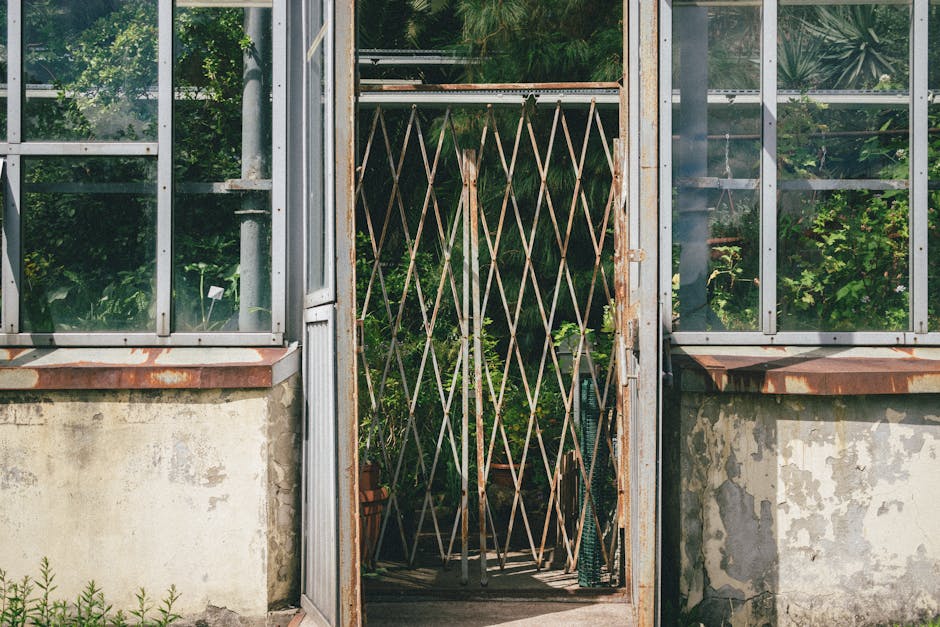
What to know about access issues for gardeners in NW3 flats
If you live in a flat in NW3, getting a gardener in can be straightforward on paper and mildly awkward in real life. Shared entrances, tight stairwells, no lift, residents' parking, locked gates, internal courtyards, and awkward bin-store routes all add friction. And that friction matters. The best garden work in the world can slow to a crawl if the access is poor.
This guide explains what to know about access issues for gardeners in NW3 flats in plain English. You'll learn what usually goes wrong, how a good visit is planned, what to do before the team arrives, and how to avoid the small problems that turn into big delays. It's practical stuff, based on the sort of day-to-day realities people in London flats deal with all the time.
To be fair, most access problems are not dramatic. They're just inconvenient. A gate key that is with a neighbour. A mower that won't fit through the side passage. A communal hallway that needs protecting from wet soil. Tiny details, but they shape the whole job.
In the sections below, we'll cover the best ways to prepare, what questions to ask, and how to judge whether your flat is suitable for regular visits, one-off garden clearance, or something more tailored. If you also want a broader view of what a gardening team can cover, it can help to look at the services overview as a starting point.
Table of Contents
- Why access issues in NW3 flats matter
- How access planning works in practice
- Key benefits and practical advantages
- Who this is for and when it makes sense
- Step-by-step guidance
- Expert tips for better results
- Common mistakes to avoid
- Tools, resources and recommendations
- Law, compliance, standards and best practice
- Options, methods and comparison table
- Case study or real-world example
- Practical checklist
- Conclusion
- Frequently Asked Questions
Why access issues in NW3 flats matter
Access is not just a convenience issue. It affects whether the job can happen safely, how long it takes, what equipment can be used, and whether the end result looks neat rather than rushed. In NW3, many flats sit in older conversions, mansion blocks, or compact modern developments where the outdoor space may be excellent, but the route to it is not exactly generous.
When access is poor, gardeners may need to carry tools by hand through communal areas, use smaller equipment, make more trips, or spend time protecting floors, walls, and doors. That is normal, but it changes the shape of the job. A lawn mow in an easy-access garden is not the same as a mow where a team has to negotiate stairs, locked internal doors, or a narrow side alley with no turning space. You feel that difference very quickly once the work starts.
It also affects the type of service that makes sense. A light maintenance visit, hedge trimming, or planting refresh may be simple enough. A full garden clearance or heavy landscaping project may need more planning, extra labour, or alternative access arrangements. For bigger jobs, many people choose to read the relevant service details first, such as garden clearance, garden maintenance, or landscaping.
There's also the neighbour factor. Flats are shared environments. If someone props open a door, leaves a hall mat out of place, or blocks a passage with wheelie bins, it can affect the whole appointment. A good setup avoids that awkward knock-on effect. And let's face it, nobody wants to be the person explaining to three neighbours why a hedge trimmer is stuck in the lobby.
Expert summary: access planning in NW3 flats is about more than getting a gardener through the door. It's about protecting shared space, choosing workable equipment, and making sure the job can be completed without stress or avoidable delays.
How access planning works in practice
Good gardening access planning starts before anyone arrives. The gardener usually needs a clear picture of the route from street to garden, any codes or keys, where tools can be unloaded, and whether there are restrictions on parking or loading. The more accurate that information is, the smoother the visit tends to be.
In a flat, the access route may include a front door, shared hallway, lift, stairwell, rear exit, service road, courtyard gate, or basement passage. A flat roof terrace, balcony garden, or small courtyard can also come with limits on weight, water use, and storage. If the route is awkward, that does not automatically mean the job is impossible. It just means the team needs to plan properly.
Here is the basic flow:
- Initial assessment: the client explains the flat layout, garden type, and any known obstacles.
- Equipment choice: the gardener decides whether compact tools, battery-powered kit, or manual tools will work best.
- Access check: keys, codes, gate instructions, parking notes, and timing restrictions are confirmed.
- Site protection: floors, communal areas, and entry points are protected where needed.
- Job execution: the team works in the least disruptive way possible.
- Exit and tidy-up: waste is removed, the route is cleaned, and access points are secured again.
If the work is more involved, such as a tidy-up after a long period of neglect, you may want to combine access planning with a service that handles larger volumes of waste. In those cases, garden clearance is often the practical fit, especially where bags, cuttings, and soil need to move through a shared building.
A useful way to think about it: the job itself is only half the job. The other half is moving people, tools, and waste without upsetting the building around it. That is the bit that separates a smooth visit from a messy one.
Key benefits and practical advantages
When access is handled properly, everyone wins. The gardener works efficiently, the property stays tidy, and you avoid the awkward back-and-forth that tends to waste everyone's time.
Smoother appointments
The first benefit is simple: less delay. If the route, keys, and parking are already sorted, the team can get on with the work. You will notice the difference in smaller jobs especially. A 20-minute access scramble can easily eat into the useful working window.
Better protection for communal areas
Flat access often runs through shared parts of a building. Proper planning reduces scuffed walls, muddy floors, and accidental blockages. That matters not just for appearance, but for neighbour relations too. Nobody enjoys a hallway full of soil bags on a rainy Tuesday morning.
More suitable equipment
Access constraints often shape the equipment choice. Compact shears, hand tools, narrow barrows, or cordless machines may be the best answer where larger kit would be impossible to move safely. This is particularly relevant for hedge trimming and lawn mowing, where the right tool makes the task much faster and cleaner.
Lower risk of damage
Narrow staircases, polished floors, and old door frames are easy to damage if the route is not thought through. Planning reduces the chance of chips, scratches, and awkward claims. It also gives the gardener a better chance of finishing the job without rushing, which is when mistakes tend to happen.
Better value for money
It sounds obvious, but it matters: the less time a team spends wrestling with access, the more of the appointment is spent actually gardening. That usually means better value. Not because the job is magically cheaper, but because the work time is used properly.
Who this is for and when it makes sense
This topic matters to anyone living in a flat, maisonette, converted house, or managed block in NW3 where the garden is not directly open to the street. It is especially relevant if the outdoor space is on a lower ground level, reached through a side passage, or accessed through a communal corridor.
You are likely to need access planning if any of the following apply:
- the gardener must pass through shared hallways or stairwells
- parking near the building is limited or time-restricted
- there is no lift, or the lift is too small for larger tools
- the garden is behind locked gates or coded doors
- the work involves heavy waste, soil, or bulky trimmings
- you live in a building with strict noise or timing rules
- the space is a balcony, roof terrace, or compact courtyard
It also makes sense for landlords, letting agents, and managing agents. If you are arranging maintenance for a rental flat, access details often get lost between people. One person has the key, another person has the code, and the tenant is left wondering why the gardener is standing outside in drizzle. Slightly old-fashioned, but very common.
For regular upkeep, a plan built around garden maintenance is usually easier than repeatedly arranging one-off visits with no clear access notes. If your outdoor area includes hard surfaces, steps, or decked sections, you may also want to think ahead about decking services or related maintenance needs.
Step-by-step guidance
If you want a visit to go well, the safest approach is to treat access as part of the booking, not something to sort on the morning. Here is a practical step-by-step method.
1. Describe the access route clearly
Start with the basics: where the gardener enters, what doors or gates are involved, and how they reach the garden. Mention stairs, lifts, steep paths, awkward corners, or anything that could limit the movement of equipment. If the route looks simple but feels tight, say so. That little bit of honesty helps.
2. Share timing and building rules
Some blocks prefer work only during certain hours. Others have rules about loading bays, delivery access, or use of communal spaces. Make those clear in advance. It is much easier than having to stop halfway through a job because the building manager appears with a stern expression.
3. Confirm keys, codes, and contacts
Who will open the gate? Who holds the buzzer code? Is there a backup contact if the main person is away? These details sound small, but they are the kind of thing that keeps a job moving. If a gardener is waiting outside, the whole appointment can unravel pretty quickly.
4. Identify what needs carrying through the building
List the likely equipment and waste. For example, a hedge cut may involve clippings, tarpaulins, secateurs, and a small blower. A clearance may involve bags, cut branches, and possibly heavier waste. If the route is narrow, the gardener may choose a different method or stagger the work.
5. Protect shared areas first
Where needed, put down coverings or plan for cleaner movement through the building. This is especially helpful on wet days, which in London can feel like they arrive with no warning at all. A few sensible precautions can save a lot of trouble.
6. Keep the work area accessible
Try to clear bins, bikes, prams, plant pots, and stored items from the route. Even a small obstruction can make movement awkward. If the team can get in and out without sidestepping clutter, the job tends to be tidier and calmer.
7. Review after the first visit
If the arrangement is for regular work, take a minute after the first appointment to note what helped and what got in the way. Did the gardener need a better parking note? Was the key collection clumsy? Did the stairwell need more protection? Small improvements make the next visit easier. Simple as that.
If your flat has a larger outdoor area that will need repeated attention, a regular service may be more efficient than ad hoc visits. It can be worth comparing that with the wider range of services available before settling on a schedule.
Expert tips for better results
Over time, a few habits make a noticeable difference. Nothing flashy. Just the kind of practical details that avoid unnecessary faff.
- Measure awkward openings: If you know a mower, barrow, or waste bag needs to fit through a passage, rough dimensions help more than vague descriptions.
- Send photos where possible: A couple of clear pictures of the gate, hallway, stairwell, or rear entry can save a lot of guesswork.
- Plan around lift size: Some lifts are fine for people but not ideal for bulky equipment. That matters more than people expect.
- Choose the right type of workday: Heavy clearance on a day with many residents moving in and out is asking for complications. Early slots can be calmer.
- Be realistic about waste removal: Green waste can look light until it is bagged. Then suddenly it is everywhere. It happens.
There is also a trust point here. If a provider asks detailed access questions, that is usually a good sign, not a nuisance. They are trying to avoid surprises on your behalf. A proper question now is better than a stressy phone call later.
For jobs that involve overgrown boundaries or blocked routes, you may need more than simple maintenance. In that situation, think carefully about whether tree lopping and removal or more extensive clearance is needed, especially if branches, roots, or debris are making access harder than it should be.
Common mistakes to avoid
Most access headaches come from missed assumptions rather than major problems. The good news is that they are quite avoidable.
Assuming the building access is obvious
What seems obvious to one person is often a mystery to another. "Just come round the back" may not be enough if there are two gates, a basement corridor, and a locked bin store. Give the route from street to garden as if you were guiding a stranger on a dark evening. Clear, plain, no drama.
Forgetting parking and loading
In NW3, parking can be the detail that decides whether a visit feels smooth or annoying. If a gardener has to park far away and carry everything by hand, the appointment may take longer than expected. Mention any loading restrictions, permit requirements, or nearby stopping points.
Leaving the garden packed with obstacles
Bikes, children's toys, broken pots, and storage boxes all eat into usable work space. They also slow waste removal. Even if the garden is small, clearing the route makes a visible difference.
Not warning about noise-sensitive neighbours
A hedge trimmer at the wrong time can be irritating in a flat block. If you know the building has quiet periods, say so. It keeps things friendly and helps the gardener pick the right tools and timings.
Ignoring safety on stairs and shared floors
Wet shoes, muddy bags, and sharp tools do not mix well with polished stair edges or narrow landings. A bit of preparation reduces the risk. If you want confidence around safe working practice, it is worth reviewing a provider's health and safety policy and insurance and safety information before the first visit.
Tools, resources and recommendations
You do not need a warehouse of kit to manage access issues well. In fact, the best toolkit is often mostly organisational.
| Need | Helpful approach | Why it works |
|---|---|---|
| Route planning | Photos, brief notes, and a simple access description | Reduces confusion and saves time on arrival |
| Tool movement | Compact or cordless equipment where possible | Easier through stairwells, gates, and tight passages |
| Waste handling | Clear bagging plan and exit route | Prevents clutter in communal areas |
| Protection | Floor coverings or agreed tidy-down steps | Protects shared spaces from mud and scuffs |
| Scheduling | Agree a quieter, less crowded time slot | Minimises disruption in residential blocks |
Some jobs may also benefit from specialist support. For example, a flat garden that has become blocked with old planters, branches, or general waste might need garden clearance before normal maintenance can happen. In other cases, more careful reworking of the space through landscape gardening can make future access easier by simplifying routes and reducing awkward corners.
For customers who care about waste and tidy disposal, it is sensible to ask how cuttings are handled. A proper recycling and sustainability approach can be a meaningful part of the service, especially where the job produces a fair amount of organic material.
Law, compliance, standards and best practice
Access issues in flat gardens usually do not sit in a single neat legal box. They touch on building rules, safety practices, and common-sense responsibilities more than anything else. Because of that, the best approach is to stay careful and practical.
In shared residential buildings, the main concerns are typically:
- safe movement of people and equipment
- reasonable care for communal areas
- respect for building management rules
- clear arrangements for keys, entry, and exit
- appropriate insurance and risk awareness
If a team is carrying tools or garden waste through internal areas, they should take reasonable steps to avoid damage and minimise disruption. That usually means moving carefully, keeping routes clear, and using sensible protection where needed. If the work involves heights, overhanging growth, or heavier pruning, extra care is needed. Nothing mysterious there, just good practice.
It is also wise to check that any provider you use is transparent about terms, payment, and what happens if access is not available when they arrive. The pages on terms and conditions, payment and security, and complaints procedure can help you understand how a service is structured and how issues are handled.
For many clients, especially in flats, the safest practical standard is simple: be clear, be prepared, and don't wing it. A bit of structure goes a long way.
Options, methods and comparison table
Not every flat garden needs the same access solution. Some are easy enough to service regularly. Others need a slightly more creative approach. The table below gives a useful comparison.
| Method | Best for | Pros | Limitations |
|---|---|---|---|
| Regular maintenance visits | Small to medium flat gardens with steady access | Predictable, tidy, easy to schedule | Needs consistent entry arrangements |
| One-off tidy-up | Overgrown or neglected spaces | Fast way to reset the garden | Can create more waste and access pressure |
| Phased work | Gardens with difficult routes or lots of debris | Reduces strain on shared spaces | May take longer to complete overall |
| Access-adapted equipment | Narrow stairwells, tight passages, balcony or courtyard spaces | Safer and easier to move | Not every task suits smaller kit |
| Redesigned garden layout | Long-term access problems or awkward planting layouts | Can make future maintenance easier | Requires more planning upfront |
For many NW3 flats, the best answer is a mix of regular maintenance and access-friendly tools. If the route is difficult, the biggest win is often to reduce the amount of stuff that needs moving. Fewer bulky items, fewer bag runs, fewer little dramas.
Case study or real-world example
A typical NW3 scenario goes like this. A resident in a lower-ground flat has a small rear garden accessed through a shared side passage and a narrow gate. The space is usable, but it has become a bit unruly after a busy few months. There is a hedge that has crept over the fence, a patchy lawn, and several old pots stacked near the doorway.
The first step is not pruning. It is access.
Before the visit, the resident sends photos of the gate, passage, and garden. They confirm that the key is with the concierge until midday and that the neighbour's bike needs to be moved from the shared path. They also mention that the stairwell is carpeted, which means the team will need to enter carefully and keep soil contained.
On the day, the gardener brings compact tools, works in a sequence that keeps the passage clear, and bags cuttings as they go rather than piling them up. The hedge is trimmed first because it is blocking movement. Then the lawn is cut. Finally, the pots are rearranged to make the route easier for the next visit. Nothing dramatic, but the result is neat and practical.
The main lesson? The garden improved, but so did the access. That matters more than people think. Once a flat garden is easier to reach, it tends to stay easier to maintain. You break the cycle of "too awkward, leave it another week."
Practical checklist
Use this before booking a gardener for an NW3 flat.
- Confirm the exact entry route from street to garden
- Check who has keys, codes, or buzzer access
- Note any stairways, lifts, narrow doors, or low ceilings
- Share parking or loading instructions
- Tell the gardener about communal areas that need protection
- Move bikes, bins, prams, and stored items out of the route
- Explain any quiet hours or resident restrictions
- Send photos if the access is not easy to describe
- Clarify what waste needs removing after the job
- Ask whether the planned service suits the access available
Quick reminder: if it feels like there are too many moving parts, there probably are. That is not a bad thing. It just means the booking needs a bit more detail than usual.
Conclusion
Access issues for gardeners in NW3 flats are common, manageable, and usually easier to solve than they first appear. The real challenge is not the garden itself so much as the route to it, the shared spaces in between, and the small decisions that make the visit smooth or frustrating.
Once you know what to look for, it becomes much simpler: clear the route, confirm the keys, choose the right equipment, and plan around the building. That is the heart of it. With a bit of preparation, even a tight flat access setup can support reliable, good-quality garden care.
If you are comparing service options or trying to decide how much help your flat garden needs, it's worth revisiting the provider's pricing and quotes information alongside the main services overview. That usually gives you a clearer picture before you commit.
Get a free quote today and see how much you can save.
And if you sort the access first, the rest has a lovely habit of falling into place.
Frequently Asked Questions
What counts as an access issue for a gardener in a flat?
Anything that makes entry, movement, or waste removal harder than normal can count as an access issue. That includes stairs, lifts, locked gates, narrow passages, communal hallways, limited parking, and awkward routes through the building.
Do I need to tell the gardener about parking in advance?
Yes, absolutely. Parking can make a big difference to how efficient the visit is. If there are permits, loading bays, or time limits, it is much better to mention them before the appointment rather than on arrival.
Can gardeners work through communal hallways safely?
Usually they can, provided the route is suitable and the team takes care with tools, bags, and footwear. The key is proper planning. Shared areas should be treated with respect and kept as clean and unobstructed as possible.
What if the lift is too small for equipment?
Then the gardener may need smaller tools, a different carrying method, or a phased approach. In some cases, the job may still be perfectly manageable; it just needs more thought and possibly more time.
Is access planning more important for garden clearance than maintenance?
Usually, yes. Garden clearance often involves more waste, bulkier materials, and more trips through the building. Maintenance is generally lighter, although it still benefits from clear access and sensible preparation.
Should I take photos before booking?
If the access is anything other than very straightforward, photos are a smart idea. A quick picture of the gate, passage, stairs, or rear entrance can save a lot of guesswork and prevent surprises.
What are the most common mistakes people make?
The biggest mistakes are assuming the route is obvious, forgetting keys or codes, ignoring parking, and leaving the pathway cluttered. None of these are dramatic on their own, but together they can slow a job right down.
Can access issues affect the price?
They can, because difficult access may take more time, require extra labour, or change the type of equipment used. The exact effect depends on the job, but it is reasonable for access complexity to be part of the quote.
What if I only need a small balcony or terrace tidy-up?
Smaller spaces are often easier in one sense, but access still matters. A balcony or roof terrace may need lightweight tools, careful waste handling, and attention to building rules. The job can be quick, though, if the route is clear.
How can I make future visits easier?
Keep a simple record of what worked the first time: where to enter, who has the key, where tools can be parked, and whether any protective covering was needed. Small notes like that save hassle later on.
Do I need to prepare the garden before the gardener arrives?
A little, yes. Move personal items, unlock access points, and clear the main route if you can. You do not need to do the gardening itself, of course. That would be a bit cheeky.
What should I ask before booking a gardener for an NW3 flat?
Ask whether they have experience with flat access, what information they need, how they handle shared spaces, and what happens if access turns out to be more difficult than expected. Those questions tell you a lot about how well the job will run.
If you are still weighing things up, start with the access route and work backwards from there. That one habit solves more problems than people expect, and it keeps the whole process calm, which is no bad thing.