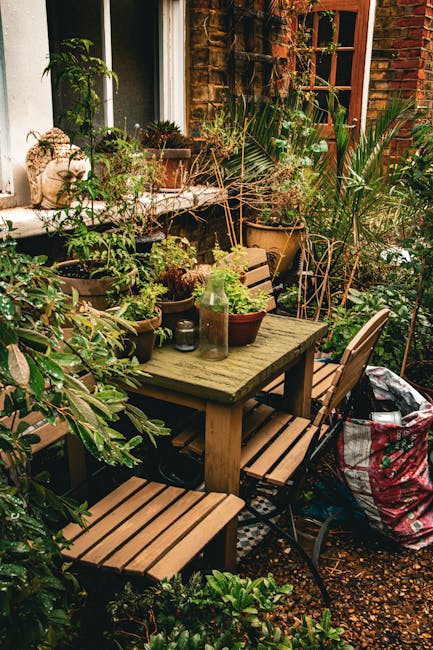
Swiss Cottage gardeners for small courtyards near O2 Centre
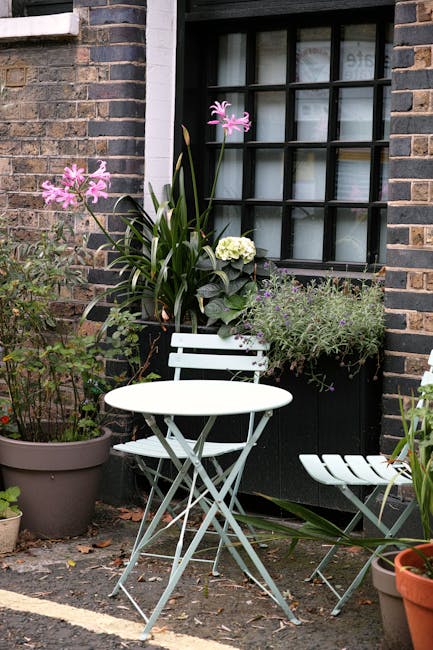
If you live or work around Swiss Cottage and you're trying to make a small courtyard feel calmer, greener, and easier to live with, you already know the challenge: there's never quite enough space, light can be patchy, and every pot seems to end up in the wrong place. That's exactly where experienced Swiss Cottage gardeners for small courtyards near O2 Centre can make a noticeable difference. Not by forcing a grand-garden idea into a tiny footprint, but by shaping a space that works day to day.
In a compact courtyard, good gardening is part design, part maintenance, and part common sense. You want planting that survives London conditions, surfaces that stay tidy, and a layout that doesn't feel cramped the moment you add a chair. This guide walks through how small courtyard gardening works, what to ask for, what to avoid, and how to get a result that feels thoughtful rather than overdone. A little careful planning goes a long way. Honestly, sometimes a tiny space is easier to improve than a big one.
Why Swiss Cottage gardeners for small courtyards near O2 Centre matters
Small courtyards are unforgiving in a way larger gardens are not. One awkward planter, one patch of moss, one overgrown shrub, and the whole space can start to feel narrower, darker, and oddly neglected. Near the O2 Centre, where properties often sit in busy, built-up surroundings, those outdoor spaces need to do a lot with very little.
Good courtyard gardening matters because it changes how the space feels and how often you actually use it. A courtyard can become a quiet coffee spot, a place for herbs and container planting, a light-filled landing zone off the kitchen, or simply a tidier transition between inside and outside. Without proper planning, though, it can turn into a clutter trap. You know the kind: too many pots, nowhere to stand, and a bit of a sad-looking corner that you keep meaning to fix.
Specialist gardeners working in Swiss Cottage tend to understand the realities of the area: shared boundaries, limited access, neighbouring windows, shade from tall buildings, and surfaces that need regular cleaning or gentle treatment. The right approach is practical and visually calm. That usually means plants chosen for the conditions, efficient use of vertical space, and maintenance that keeps the courtyard looking cared for rather than overmanaged.
There's also a trust angle here. In compact urban spaces, mistakes are obvious. If a job is rushed, the result can feel cramped or unfinished. If it's done well, the improvement can be surprisingly dramatic. That's why homeowners, landlords, and busy professionals often look for a team that understands small-space landscaping and ongoing care. For a wider view of what a local team can handle, it can help to review the services overview and see how courtyard work fits into broader garden care.
Expert summary: A good small-courtyard gardener does three things well: reduces visual clutter, improves plant health, and makes the space easier to live with week after week. The best results are usually simple, not showy.
How Swiss Cottage gardeners for small courtyards near O2 Centre works
The process usually starts with a proper look at the space. Not just a quick glance. A good gardener will consider size, light levels, drainage, access, wall surfaces, existing planting, and what you want from the courtyard in real life. Do you want privacy? Low maintenance? Seasonal colour? Space for dining? A mix of all four? That first conversation matters because small spaces need decisions, not guesswork.
Once the space is understood, the work often falls into a few practical strands:
- Cleaning and clearance to remove dead leaves, broken pots, weeds, and clutter.
- Surface improvement such as careful sweeping, pressure-aware cleaning where appropriate, or refreshing tired paving edges.
- Planting strategy that suits shade, wind exposure, and container growing.
- Vertical design using trellis, climbers, wall pots, or layered shelving.
- Ongoing maintenance to keep growth controlled and surfaces tidy.
That practical sequence is important. Many small courtyards fail because people start with decorative ideas before sorting out the basics. It's like buying cushions before checking if the chair is sturdy. Charming, maybe. Sensible, not really.
In service terms, the work may involve regular upkeep, one-off tidy-ups, hedge trimming where boundary planting has become too dense, or broader landscape gardening if the courtyard needs a more complete rethink. If the area is heavily overgrown or full of old material, a first-stage garden clearance can give the space a clean reset before any new design is introduced.
For ongoing upkeep, a small courtyard benefits from a light but regular rhythm. That might include seasonal pruning, deadheading, container checks, irrigation adjustments, and keeping an eye on drainage after wet weather. In London, especially in enclosed spaces, drainage issues can turn a nice courtyard into a damp one quite quickly. You notice it first by smell and by that slightly green film on paving. Not glamorous, but very real.
Key Benefits and Practical Advantages
There's a reason small courtyard gardening is popular around Swiss Cottage. The benefits are not just visual. They affect how the space functions and how much effort it demands from you.
1. Better use of limited space
Compact gardens need sharper thinking. A well-planned courtyard can feel bigger when circulation is improved and the planting is arranged vertically or in clean layers. The eye moves more easily, and the space feels less boxed in.
2. Lower maintenance pressure
With the right plant choices and layout, you reduce the amount of regular fiddling needed to keep things under control. That matters if you're not in the garden every day. Simple planting beats high-maintenance drama almost every time.
3. Improved privacy and comfort
In dense urban settings, privacy is often one of the biggest reasons people invest in courtyards. Careful planting, screening, and structure can soften overlooking views without making the area feel enclosed.
4. More usable outdoor living time
When a courtyard feels clean, balanced, and easy to care for, people use it more often. Morning tea, a quick lunch, an evening breath of air after work - these small moments add up.
5. A stronger first impression
For renters, landlords, and homeowners alike, a neat courtyard can improve how a property is perceived. It doesn't need to be elaborate. It just needs to feel considered.
There's also a practical maintenance advantage. Small spaces often cost less to maintain than larger gardens, but only if the work is designed properly from the start. A courtyard packed with thirsty plants, awkward corners, and poor drainage becomes a burden. One that's planned well can stay looking decent with less effort. If you want to compare regular care with one-off interventions, the garden maintenance service is a useful reference point.
| Courtyard feature | Common problem | Better approach |
|---|---|---|
| Deep shade | Plants fail, moss spreads | Choose shade-tolerant planting and improve light reflection |
| Too many containers | Space feels cluttered | Use fewer, larger pots with a simpler layout |
| Overgrown boundaries | Courtyard feels smaller | Trim and shape edges for a cleaner outline |
| Poor drainage | Damp paving, slippery patches | Check fall, surface condition, and water run-off |
| Low privacy | Space feels exposed | Use screening, climbers, or layered planting |
Who This Is For and When It Makes Sense
This type of service is a strong fit for people who want a courtyard to work harder without becoming a weekend project. That includes homeowners with compact rear spaces, flat owners with shared or private terraces, landlords preparing a property for viewings, and businesses near the O2 Centre that want a more welcoming exterior area.
It also makes sense if your courtyard has one or more of these issues:
- It feels too dark or enclosed.
- The planting has become patchy, tired, or random.
- You have a few pots but no clear structure.
- Leaves, weeds, and moss keep returning.
- You want privacy without building solid barriers everywhere.
- You need the space to look tidy with modest upkeep.
Sometimes the courtyard is not actually "bad"; it's just underused. That's a common one. People think they need a full redesign, but often the answer is better proportion, better planting, and a smarter routine. Truth be told, a small space can be very forgiving once the fundamentals are right.
If you're comparing broader landscaping help with more focused courtyard care, it may be worth looking at landscape gardening or landscaping depending on whether you need design-led changes or structural improvements such as raised beds, edging, or surface adjustments.
Step-by-Step Guidance
If you're planning a courtyard refresh near Swiss Cottage, this simple sequence helps keep the project manageable.
- Start with a space audit. Measure the courtyard, note shaded areas, and identify problem spots such as damp corners or awkward access points.
- Clear the clutter. Remove dead plants, broken pots, surplus furniture, and anything that stops you seeing the space clearly.
- Decide what the courtyard must do. Is it for relaxing, dining, screening, container gardening, or all of those in rotation?
- Choose a layout before choosing plants. In small spaces, layout comes first. Otherwise you end up with good plants in the wrong places.
- Select plants for conditions, not wishful thinking. Shade, wind, and seasonal exposure matter more than the name tag on the pot.
- Build in vertical layers. Use wall-trained climbers, trellis, narrow planting, or staggered container heights to create depth.
- Check maintenance reality. If a plant needs constant deadheading and feeding, be honest about whether you'll keep up with it.
- Finish with a repeatable care plan. A tidy space stays tidy only if someone knows what needs doing monthly, seasonally, and after heavy rain.
For a lot of courtyards, this process will include some trimming and shape control too. If boundary shrubs, climbers, or small hedging are closing in on the usable area, hedge trimming can make the whole space feel more open without removing the green feeling.
And if the courtyard has a tired lawn strip, which happens more than people think in awkward urban plots, the team may suggest lawn mowing as part of a broader tidy-up or a better alternative if grass simply isn't the right fit anymore. Not every small garden needs a lawn. Some honestly don't.
Expert Tips for Better Results
Small courtyards are won or lost in the details. Here are the little decisions that tend to make the biggest difference.
- Use fewer, stronger focal points. One good container arrangement beats six competing ones.
- Keep a clear walking line. Even a narrow route through the space helps it feel bigger.
- Mix texture, not chaos. Evergreen structure, soft foliage, and a few seasonal highlights usually work better than a dozen unrelated plants.
- Choose containers with intention. Too many tiny pots can make the courtyard look busy in a bad way.
- Think about winter as well as summer. A courtyard that only works in June is not, to be fair, much use.
- Let surfaces breathe. When every inch is filled, maintenance becomes awkward and moisture gets trapped.
One useful habit is to stand at the courtyard entrance and look at it for thirty seconds before making changes. What catches your eye first? What feels crowded? What makes the space look flat? That quick pause often tells you more than a long list of plant names. It sounds almost too simple, but it works.
If there's a timber feature, raised platform, or seating edge in the space, it's worth checking whether the design could benefit from decking services. In small courtyards, even a modest change in surface material can help define zones and make the layout feel deliberate.
And if the space contains older planting that has simply outgrown itself, a gardener should be honest about whether it needs reshaping, reduction, or occasional removal. It's not dramatic. It's just gardening.
Common Mistakes to Avoid
Most courtyard problems come from trying to do too much at once, or choosing style before function. Classic. Here are the mistakes worth sidestepping.
- Overfilling the space. Too many pots, ornaments, and features make the courtyard feel smaller.
- Ignoring shade and moisture. Plants fail when they're chosen for looks alone.
- Forgetting access. If you can't comfortably water, sweep, or prune, the layout needs work.
- Using high-maintenance plants by accident. Some plants look good at purchase and become a chore later.
- Leaving damaged materials in place. Broken paving, rotting timber, and poor edges make the space feel untidy even when the planting is fine.
- Skipping the clean-up stage. A refresh without clearance rarely lands properly.
There's also a tendency to copy larger garden ideas into a courtyard. That usually backfires. A herb border that looks lovely in a sunny suburban plot can become patchy and lopsided in a shaded urban enclosure. It's not the plant's fault. It's just the wrong job.
For spaces that have become genuinely neglected, the first priority may be removal rather than design. In that case, garden clearance can be the most efficient starting point, followed by lighter planting and ongoing care.
Tools, Resources and Recommendations
You don't need a truck full of equipment to improve a small courtyard, but you do need the right basics. Good gardeners will usually carry or recommend tools and materials suited to compact urban work, such as:
- hand forks, secateurs, and pruning saws for controlled trimming
- lightweight sweeping tools for hard surfaces
- containers with proper drainage holes
- slow-release feed for container planting where appropriate
- mulch or decorative top dressing to help retain moisture and improve finish
- trellis or climbing supports for vertical interest
For customers, the most useful "resource" is often a simple maintenance plan. It doesn't need to be complicated. A quarterly review, a quick monthly tidy, and one seasonal refresh can keep a small courtyard looking much better than occasional panic-gardening. We've all seen the alternative: a nice space that turns into a sort of plant mess by November.
If you want to understand how a team handles service quality, practical job planning, and customer care, it's sensible to review the company's about us page, and, if needed, their pricing and quotes approach before you book. That kind of clarity matters, especially when the site is small and every hour of work has a visible effect.
For customers who want to know how payments, safety, or sustainability are handled, the most relevant supporting pages are available too: payment and security, insurance and safety, and recycling and sustainability. Small details, yes, but they build trust.
Law, Compliance, Standards, or Best Practice
For ordinary domestic courtyard gardening, this is not a heavily regulated type of work, but best practice still matters. In London, the practical concerns are usually neighbours, access, waste handling, noise, safe tool use, and keeping shared spaces tidy. If the property is leasehold or part of a managed block, there may also be building rules about access times, waste removal, or what can be fixed to external walls.
Gardeners working in compact spaces should act carefully around shared boundaries, drainage points, and any fragile surface materials. Tools should be used in a way that avoids damage to paving, brickwork, or nearby planting that belongs to someone else. That sounds obvious. Still worth saying.
If tree work is part of the job, especially where branches affect light or safety in a courtyard, specialist attention is usually needed. A local gardener may not carry out major tree operations, but they can flag when tree lopping and removal becomes relevant. It should always be approached carefully and proportionately.
Any reputable team should also be able to explain how they approach risk, insurance, and complaints. You may never need those pages, and hopefully you won't, but they are part of responsible service delivery. For that reason, pages like health and safety policy, complaints procedure, and terms and conditions are worth checking if you want the full picture.
Options, Methods, or Comparison Table
Not every courtyard needs the same kind of work. Some need a simple tidy-up. Others need a design rethink. A few need both. Here's a straightforward comparison.
| Approach | Best for | Main advantage | Watch out for |
|---|---|---|---|
| Routine maintenance | Courtyards already in decent shape | Keeps the space neat with less disruption | Won't solve deeper layout problems |
| One-off refresh | Spaces that look tired but are structurally fine | Quick visual improvement | May need follow-up care to last |
| Garden clearance + redesign | Neglected or cluttered courtyards | Clears space and resets the layout | More time and planning required |
| Landscaping upgrade | Spaces needing new surfaces or structure | Can transform how the courtyard functions | Usually more involved and disruptive |
If you're not sure which route is right, the safest answer is usually to start with the least invasive option that solves the actual problem. There's a lot to be said for restraint. Not every courtyard needs a full transformation, and not every transformation needs to be dramatic.
Case Study or Real-World Example
Picture a small courtyard near the O2 Centre: paved, shaded for most of the day, with a couple of tired planters, some moss in the corners, and a fence line that makes the space feel a bit boxed in. The owners like being outside, but they rarely use it because it feels cluttered and slightly damp.
The job starts with clearance. Old pots go, dead growth is removed, and the paving is cleaned carefully. Next comes the layout. Instead of scattering many small containers around the edges, the gardener groups a few larger pots to create a stronger visual line. Shade-tolerant planting replaces struggling sun-loving plants. A vertical support softens the fence without swallowing the space. One seating area is kept clear, because breathing room matters.
After that, the maintenance plan is simple: check drainage after heavy rain, keep the planting clipped, and sweep regularly so leaves don't build up in the corners. Nothing flashy. But the difference is immediate. The courtyard stops feeling like a leftover patch and starts feeling like part of the home.
That's the real value of good small-space gardening. It's not just prettier. It becomes usable. You step outside, and it feels calm instead of cluttered. A small win, maybe, but a meaningful one.
Practical Checklist
Use this checklist before booking or planning work on a small courtyard.
- Measure the space and note access points.
- Identify shade, damp areas, and poor drainage.
- Decide whether you want low maintenance or more ornamental planting.
- Remove broken pots, weeds, and unused items.
- Check if any shrubs, climbers, or hedging need trimming.
- Choose a layout that leaves clear standing and walking space.
- Prefer a few strong features over lots of small ones.
- Ask how maintenance will be handled after the initial work.
- Consider whether decking, raised areas, or surface improvements would help.
- Review service information, pricing, safety, and sustainability before booking.
Quick reality check: if the courtyard feels hard to use now, the solution is usually simpler than you think. Clear the space, simplify the layout, and choose plants that are happy where they are. That alone can change everything.
Conclusion
Swiss Cottage gardeners for small courtyards near O2 Centre are best thought of as problem-solvers with a design eye. The job is not to cram more into a tiny space. It's to make that space easier to enjoy, easier to care for, and much more welcoming day to day.
Whether you need a tidy-up, a planting reset, better privacy, or a full courtyard rethink, the most effective approach is usually calm, proportionate, and tailored to the actual conditions. Small spaces reward good judgement. They really do.
If you're ready to turn a cramped or tired courtyard into something more liveable, speak to a local team that understands compact urban gardens, practical maintenance, and careful finish. And remember: even the smallest courtyard can feel surprisingly generous when it's handled well.
Get a free quote today and see how much you can save.
Frequently Asked Questions
What do Swiss Cottage gardeners for small courtyards near O2 Centre typically do?
They usually handle clearance, planting, trimming, surface tidying, and ongoing maintenance tailored to compact outdoor spaces. The focus is on making the courtyard look better and work better without overcrowding it.
How do I make a very small courtyard look bigger?
Use fewer objects, keep clear walking space, add vertical planting, and choose a simple colour palette. A small courtyard feels larger when it has visual breathing room.
Are low-maintenance plants better for courtyards?
Usually, yes. Courtyards often have shade, wind, and limited soil depth, so plants that tolerate those conditions tend to perform better and need less attention.
Do small courtyards need professional garden maintenance?
If you want the space to stay neat without constant effort, professional maintenance is often a smart choice. A courtyard can deteriorate quickly if leaves, weeds, or overgrowth are left unchecked.
Is garden clearance necessary before redesigning a courtyard?
If the space is cluttered, overgrown, or full of old material, clearance is usually the cleanest starting point. It gives you a clearer view of what the courtyard can actually become.
Can landscaping help a small courtyard, or is it too much work?
It can help a great deal, especially if the space needs better structure, edging, or new surfaces. The key is keeping the design proportionate to the size of the courtyard.
How often should a small courtyard be maintained?
That depends on the planting and how used the space is, but many courtyards benefit from light monthly attention and a fuller seasonal tidy. The more layered the planting, the more regular care it needs.
What should I ask before booking a gardener for a courtyard job?
Ask what the plan is for access, plant choice, drainage, maintenance, and disposal of waste. If you're comparing services, it also helps to check pricing, insurance, and terms upfront.
Can hedge trimming matter in a small courtyard?
Yes. Even a small amount of overgrowth can make a compact space feel tighter and darker. Careful trimming can open the area up without stripping away privacy.
What if my courtyard has poor drainage?
Drainage should be looked at early, because it affects plant health and safety on paved surfaces. Sometimes the fix is minor, such as layout changes or material choices; sometimes it needs a more considered solution.
Is decking a good idea in a courtyard near Swiss Cottage?
It can be, if the aim is to create a defined seating or transition area. Decking works best when it suits the size, access, and maintenance expectations of the space.
How do I know if I need a full redesign rather than simple maintenance?
If the courtyard feels awkward, overcrowded, or fundamentally hard to use, a redesign may be better. If it's mostly fine but just messy or tired, maintenance and light improvements may be enough.