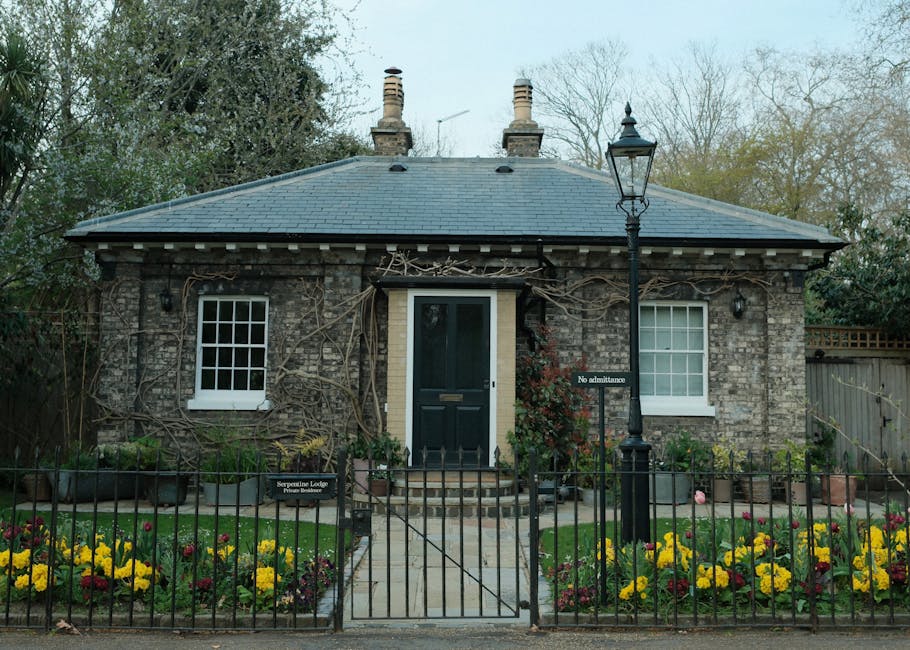
Swiss Cottage gardeners Finchley Road front garden guide
If your front garden on or near Finchley Road is starting to feel a bit tired, overgrown, or simply underused, you are not alone. In a place like Swiss Cottage, the front of the house does a lot of quiet work: it frames the property, sets the tone for the street, and, frankly, it can make coming home feel better. This Swiss Cottage gardeners Finchley Road front garden guide walks you through how to shape a front garden that looks smart, stays manageable, and suits London living without turning into a full-time job.
Whether you want a cleaner entrance, better privacy, safer access, or a more polished finish for kerb appeal, the right approach is usually less about grand ideas and more about good decisions. What thrives in shade? What stays tidy through winter? What needs regular trimming so it does not swallow the path? Those small questions make the difference.
Below, you will find practical guidance on planning, maintenance, plant choice, layout, and the little details that matter in this part of North West London. No fluff. Just a proper useful guide.
Table of Contents
- Why it matters
- How it works
- Key benefits and practical advantages
- Who this is for and when it makes sense
- Step-by-step guidance
- Expert tips for better results
- Common mistakes to avoid
- Tools, resources and recommendations
- Law, compliance, standards, or best practice
- Options, methods, or comparison table
- Case study or real-world example
- Practical checklist
- Conclusion
- Frequently asked questions
Why Swiss Cottage gardeners Finchley Road front garden guide Matters
A front garden is not just decorative. It is your threshold, your first impression, and often the most visible part of the property from the pavement. On busy roads and residential streets around Finchley Road, that visibility matters even more. A well-kept front garden can make a modest house look cared for; a neglected one can make an otherwise lovely home feel a bit forgotten. Harsh, but true.
Front gardens in Swiss Cottage tend to face a few familiar London realities: partial shade from buildings and trees, compact plots, awkward paving, dust from traffic, and a need for planting that stays neat rather than sprawling. Some homes have railings and narrow beds, others have small paved frontages with container planting, and some have a mix of both. A good guide has to work for all of those.
It also matters because a front garden often has to balance looks with function. People need to get to the door safely. Bins still need a place to live. Deliveries, prams, bikes, and umbrellas all seem to appear at once. If the layout is wrong, the space becomes frustrating. If the planting is wrong, the maintenance becomes a chore. And if maintenance slips, the whole thing starts to feel like a never-ending Saturday job.
That is where practical local gardening knowledge comes in. For many homes, a smart mix of regular garden maintenance, selective planting, and tidy edging does more good than a dramatic redesign. Simple can be lovely, you know.
How Swiss Cottage gardeners Finchley Road front garden guide Works
The best way to think about a front garden is as a system, not a one-off project. The soil, light, drainage, structure, planting, and access all need to work together. If one part is out of sync, the whole thing starts to look off. That is why a proper front garden plan usually starts with observation rather than shopping.
First, assess the space at different times of day. Morning sun, late shade, wind exposure, and traffic grime can all affect what grows well. Then look at the practical realities: where people walk, where water gathers after rain, where the postman naturally steps, and what you want to screen or soften. A hedge that looks elegant on paper can become awkward if it blocks sightlines or crowds the path.
From there, the approach is usually straightforward:
- Clear out dead, damaged, or outgrown material.
- Decide which parts are permanent structure and which can change seasonally.
- Choose plants suited to the light, soil, and maintenance level you can actually keep up with.
- Set simple boundaries with edging, low fencing, pots, or paving.
- Build a maintenance routine that is realistic, not aspirational.
In many cases, a front garden works best when the hard landscaping is calm and the planting does the talking. A few good shrubs, a well-cut lawn strip, or a neat line of evergreen structure can be more effective than lots of fussy detail. If the frontage includes steps, wall edges, or a small terrace, it may also be worth looking at broader landscaping or even a modest decking feature where appropriate. Not every front garden needs one, of course. Some really do just need to breathe.
Key Benefits and Practical Advantages
A good front garden does more than look pretty. It improves day-to-day living in subtle ways that people tend to notice only after the fact. Walk up to a clean, well-ordered entrance and the whole house feels calmer. Walk past a tangled, overgrown front and it can feel like the property is fighting you before you have even opened the door.
- Better kerb appeal: A tidy frontage gives the home a more cared-for appearance, which matters whether you are staying put or planning to sell later.
- Safer access: Clear paths, stable edges, and sensible planting reduce trip hazards and make access easier in wet weather.
- Lower maintenance: The right planting choices reduce weekly work and stop the garden from becoming a burden.
- More privacy without bulk: Carefully placed shrubs or hedging can soften views from the street without making the front feel closed in.
- Better year-round structure: Evergreen plants and simple hardscape elements keep the space looking intentional even in winter.
There is also a quieter benefit that is easy to miss: a front garden can change how you feel when you arrive home. In winter, especially, a neat entrance with a bit of green by the door makes a difference. It sounds small. It is not, really.
Who This Is For and When It Makes Sense
This guide is useful if you live in a terrace, semi-detached property, mansion block, converted flat, or any home with a visible front-facing outdoor area near Finchley Road and Swiss Cottage. It also suits landlords, managing agents, and homeowners preparing a property for viewing or resale.
You will probably benefit from a front garden refresh if any of these sound familiar:
- The planting is overgrown and blocking the entrance.
- The space looks patchy, bare, or forgotten for most of the year.
- You want a low-maintenance layout rather than constant replanting.
- The front path feels cluttered or awkward to use.
- You need a more polished appearance for a property listing or renovation finish.
- Hedges, shrubs, or small trees are now getting in the way.
For some people, the answer is a full redesign. For others, it is much simpler: a clean-up, reshaping, and a sensible maintenance schedule. If you are unsure which camp you fall into, start by looking at what is actually causing the problem. Is it plant choice? Is it access? Is it just neglect after a busy season? Honest diagnosis saves money and avoids unnecessary work.
And if you are already juggling a lot, that matters. Nobody wants to turn the front garden into a second job. Let's face it, life is busy enough.
Step-by-Step Guidance
Here is the practical route we would suggest for most front gardens in this part of London. It is not fancy. It works.
1. Start with a clear survey
Walk the garden and look at it from the pavement, the doorway, and side-on if possible. Notice what your eye lands on first. The most obvious problem is not always the real one. Sometimes the garden feels messy because of one oversized shrub. Sometimes it is poor edging, not the plants, that makes everything seem unkempt.
2. Decide what must stay and what can go
Keep features that give structure, privacy, or seasonal interest. Remove material that is dead, sick, leaning, or simply too dominant for the space. If the frontage has mature shrubs or small trees, careful reduction may be enough; in other cases, a full reset via garden clearance is the sensible first move.
3. Sort the hard edges
Clean lines change everything. Crisp edging, repaired paving, pressure-washed surfaces where suitable, and tidy boundaries can make a small frontage feel instantly calmer. Even if the planting stays the same, the whole garden can look better once the frame is fixed.
4. Choose a planting style that matches the light
Shady front gardens usually do better with structure and texture than with constant colour demands. Think evergreen shrubs, shade-tolerant perennials, and layered planting that does not flop. Sunny front gardens can carry more flowering plants, but only if they are hardy enough for the level of attention you will actually give them.
5. Build in maintenance from the beginning
This is the bit people skip, and then regret later. A good front garden should be designed around upkeep. If hedges need frequent control, build that into the plan. If grass is part of the design, keep the shape manageable and make sure mowing access is easy. A regular lawn mowing routine and reliable hedge trimming can keep a small front garden neat without turning it into a saga.
6. Add one or two finishing touches
A front garden does not need five features competing for attention. One bench, one statement pot, a low evergreen hedge, or a well-chosen climber can be enough. If you want a polished, cohesive finish, a broader design review through landscape gardening can help you think beyond quick fixes and into how the space will age over time.
One small note: do not overfill the space. A front garden should welcome you in, not apologise for existing.
Expert Tips for Better Results
In our experience, the best front gardens are rarely the busiest. They are the ones that make confident, restrained choices. That is not always what people expect when they first start planning, but it is often what they end up happiest with.
- Use repetition: Repeating one or two plants often looks smarter than mixing too many varieties.
- Prioritise evergreen structure: A few evergreen anchors help the garden stay tidy in winter.
- Keep access obvious: People should be able to tell at a glance where to walk.
- Match plant size to the space: A shrub that seems small now can become a nuisance in eighteen months.
- Make maintenance easy to perform: Leave space for pruning, watering, and clearing leaves.
If your frontage has mature trees nearby, be aware that root competition, shade, and leaf drop will affect results. In some cases, sensible work on nearby growth, carried out carefully, helps restore light and balance. That is where professional judgement really matters, especially if trees or larger limbs are involved. A front garden can be delicate near established growth, so it is better to be cautious than heroic.
Another tip: work with the street, not against it. On Finchley Road, there is a lot of movement and visual noise. A front garden that is calm, structured, and a little understated often stands out more than one that tries too hard. Funny how that works.
Common Mistakes to Avoid
Most front garden problems come from a handful of predictable mistakes. The good news? They are all avoidable once you spot them.
- Choosing plants for looks only: A plant that looks lovely in a nursery may be hopeless in a windy, shaded, or polluted front garden.
- Ignoring mature size: People buy for the first six months, then forget the next six years.
- Blocking the path: Narrow entrances need disciplined planting. Anything else becomes annoying very quickly.
- Overcomplicating the design: Too many levels, materials, or colours can make a small front garden feel cramped.
- Letting maintenance drift: Front gardens go from tidy to tangled faster than most people expect.
- Forgetting drainage: Waterlogged soil or puddling at the entrance is bad for plants and bad for shoes.
A common one, and this is very human, is starting with enthusiasm and then half-finishing the job. A few new plants go in, a bag of mulch gets tipped, and then somehow the rest waits until next month. The result is an odd in-between state that never quite settles. Best to plan the whole picture first, even if you do the work in stages.
Tools, Resources and Recommendations
You do not need a van full of specialist kit to improve a front garden. But a few reliable tools and sensible service options make life easier. For most jobs, the essentials are simple: sturdy gloves, secateurs, loppers, a sharp edging tool, a rake, a spade, and a watering can or hose that reaches where it needs to.
For more substantial work, it can help to think in layers:
- Routine upkeep: mowing, deadheading, light pruning, and leaf clearing.
- Seasonal work: reshaping shrubs, refreshing mulch, replacing tired plants, and checking drainage.
- Reset work: clearing out old growth, reworking the layout, or rebuilding the planting structure.
If the front garden has become too much to manage, a service package that combines garden maintenance with more targeted tasks can be a better fit than patching things up piecemeal. For houses with boundary hedging, regular care is usually worth it. For larger, woody sections, tree and shrub management may be required, and that should be handled with care. If you need ongoing support, the services overview is a useful place to understand the full range of options.
One practical recommendation: keep a simple notes list for your own garden. Which side dries out first? Which plant gets battered by wind? Which area catches litter? It sounds almost too basic, but those observations save a lot of trial and error.
Law, Compliance, Standards, or Best Practice
Front garden work in London is usually straightforward, but there are still a few best-practice considerations to keep in mind. If your garden fronts a public pavement, keep access safe and avoid creating trip hazards. If pruning or removal affects trees, boundaries, or shared features, it is wise to pause and check ownership and responsibility before starting. That can save a headache later.
Good practice also means working carefully with waste, especially green waste and hard materials. Responsible disposal and recycling matter, and reputable gardeners should be clear about how they handle the material they remove. You can also look for a provider that takes recycling and sustainability seriously, rather than treating every cut branch like somebody else's problem. If that matters to you, see the company's recycling and sustainability approach.
Safety and insurance are worth checking too. That is not alarmist; it is just sensible. If work involves ladders, power tools, or larger removals, it helps to know the team follows proper procedures and carries suitable cover. The same goes for clear communication about how work will be done. The insurance and safety information and health and safety policy are useful trust signals when choosing a provider.
For everyday gardening, best practice is less about formal rules and more about avoiding unnecessary risk, keeping the site tidy, and respecting neighbours. It is the boring stuff, mostly. But that boring stuff is what makes a job run smoothly.
Options, Methods, or Comparison Table
There is more than one way to improve a front garden, and the right method depends on budget, time, and the current condition of the space. Here is a simple comparison to help you choose.
| Approach | Best for | Pros | Trade-offs |
|---|---|---|---|
| Basic tidy-up | Lightly neglected front gardens | Quick, affordable, immediate visual improvement | May not solve layout or long-term maintenance issues |
| Maintenance-led approach | Gardens that are mostly fine but need routine care | Keeps the space presentable and manageable | Requires regular visits or a consistent schedule |
| Reshape and replant | Front gardens with tired planting or awkward structure | Better long-term results and stronger design | Takes more planning and usually more upfront work |
| Full clearance and redesign | Severely overgrown or poorly functioning spaces | Fresh start, easier to redesign properly | Most disruptive option; needs clear decisions from the start |
For a lot of homes, the sweet spot is somewhere between maintenance-led care and a modest reshape. You do not always need to start from scratch. Sometimes the garden is already there; it just needs a better rhythm.
Case Study or Real-World Example
Here is a very typical scenario. A homeowner near Finchley Road has a narrow front garden with patchy planting, a small lawn strip, and a couple of shrubs that have outgrown their space. From the street, it looks uneven. From the doorway, it feels cramped. The owner wants it to look smart without making weekly upkeep harder.
The first step is a tidy clearance of dead material, fallen leaves, and anything crowding the path. Then the oversized shrubs are reduced to restore shape and light. The lawn strip is edged cleanly, because honestly, that alone changes the feel. A few reliable evergreen plants are kept for structure, and a couple of seasonal pots are added by the entrance for a softer welcome.
What made the biggest difference was not one dramatic feature. It was restraint. The final result felt calmer, more open, and easier to care for. A monthly maintenance plan then kept it that way. Nothing flashy. Just a front garden that did its job.
That sort of improvement is common, especially in older London streets where space is tight and every decision shows. A bit of order goes a long way.
Practical Checklist
Before you start, work through this checklist. It keeps the job focused and stops small issues becoming expensive ones.
- Look at the front garden from the street and the doorway.
- Identify any dead, diseased, or overcrowded plants.
- Check whether access to the path and front door is clear.
- Note where shade, wind, and standing water affect the space.
- Decide whether you need maintenance, reshaping, or a full clearance.
- Keep plant choices realistic for the light and your available time.
- Make sure edging, paving, and boundaries are tidy and safe.
- Plan for ongoing mowing, trimming, pruning, or seasonal refreshes.
- Consider waste removal and sustainability before work begins.
- Choose a finish that suits the house, not just the catalogue image in your head.
Key takeaway: the best front gardens near Finchley Road are usually the ones that feel deliberate, calm, and easy to live with. Not overdone. Not high-maintenance. Just right for the house and the way you use it.
If you are weighing up next steps, a good first move is to review the available pricing and quotes information and then compare it with the level of work your garden actually needs. A quick conversation now can save a lot of second-guessing later.
Get a free quote today and see how much you can save.
Conclusion
A front garden in Swiss Cottage does not need to be big to make an impact. With the right structure, sensible planting, and realistic maintenance, even a small frontage on Finchley Road can look neat, welcoming, and quietly confident. The trick is not to fight the space. Work with it. Keep it practical. Let the entrance do its job beautifully.
Whether you are tidying up, planning a redesign, or just trying to get the front looking respectable again, the best results usually come from steady decisions rather than rushed ones. A little care now makes every arrival home feel better. And that matters more than people often admit.
Frequently Asked Questions
What makes a front garden in Swiss Cottage different from other London areas?
Front gardens around Swiss Cottage and Finchley Road often deal with shade, traffic exposure, compact dimensions, and a need to stay smart without much room to spare. That means structure and maintenance matter more than large, fussy planting schemes.
How often should a front garden be maintained?
It depends on the planting, but most front gardens benefit from regular attention every few weeks during the growing season, plus seasonal tidying. Hedges, lawns, and fast-growing shrubs usually need a more consistent schedule.
What is the best low-maintenance front garden style?
A simple layout with evergreen structure, hardy shrubs, clean edging, and a few seasonal highlights is usually easiest to manage. The fewer awkward corners and oversized plants, the better.
Should I remove everything and start again?
Not always. If the garden has good bones, a tidy reshaping and selective replanting may be enough. Full clearance makes sense when the space is badly overgrown, poorly laid out, or full of tired planting that no longer works.
Can a small front garden still improve kerb appeal?
Absolutely. In fact, small front gardens often have the biggest visual payoff because every detail is visible. Clean edges, healthy plants, and a clear entrance can transform the whole property frontage.
What plants work well in shaded front gardens?
Shade-tolerant shrubs, evergreen structure, and texture-heavy planting usually perform best. The exact choice depends on soil and exposure, but in general it is smarter to favour resilient plants over high-colour, high-care species.
How do I stop my front garden looking messy in winter?
Use evergreens, retain some strong structure, keep edges crisp, and avoid relying only on seasonal flowers. Winter interest comes from shape, not just bloom.
Do I need professional help for hedge trimming or pruning?
If the hedge is tall, close to boundaries, or difficult to reach safely, professional help is often the better option. It tends to produce a cleaner finish too, which helps with appearance and longer-term shape.
Is lawn care worth it in a small front garden?
If the lawn is very small and awkward, sometimes replacing part of it with planting or hard landscaping makes more sense. But if you keep it, regular mowing and neat edges stop it from looking neglected.
What should I ask before booking a gardener?
Ask what is included, how waste will be handled, whether the team is insured, and how they approach safety and maintenance. It is also useful to ask what level of upkeep the finished garden will need from you afterwards.
Can front garden work include clearance and redesign in one visit?
Often, yes. A lot depends on the size of the job and how much reshaping is needed. Many projects start with clearance and then move into trimming, re-edging, and replanting. It is a sensible way to handle a front garden that has got a bit out of hand.
How do I know whether to choose maintenance or landscaping?
If the garden mainly needs routine care, maintenance is usually enough. If the layout is awkward, the planting is tired, or the space does not function well, then some form of landscaping may be the better long-term answer.
And if you are still weighing it all up, that is fine. Front gardens are personal spaces, but they are also practical ones. Get the balance right, and the whole house feels more settled.